
Feng Shui and Flowers
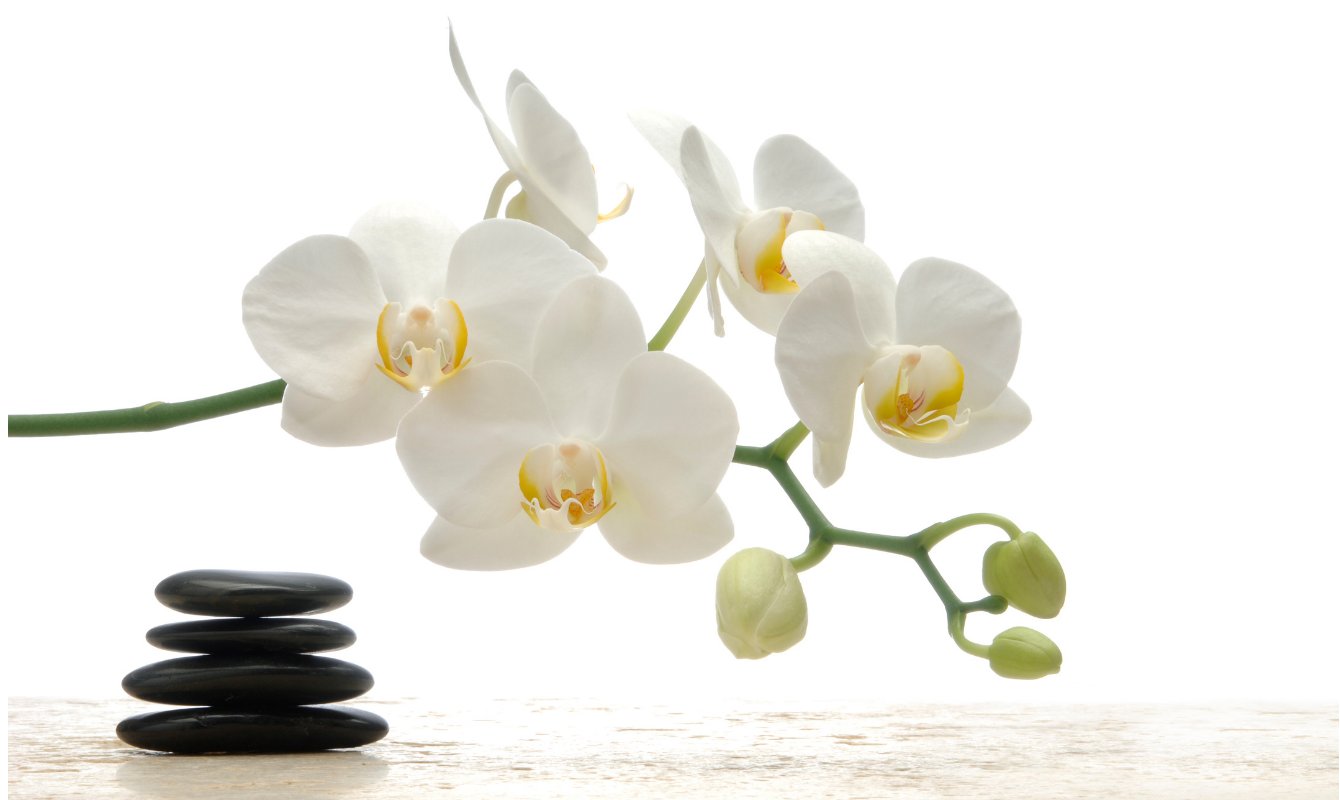
Feng Shui and Flowers
What is Feng Shui?
Feng Shui, whose name literally means "wind" and "water," is an ancient Chinese teaching with a 5,000-year history. Feng Shui is a technique for harmoniously activating the universal life energy found in nature within living spaces. The key word here is "harmony."
What does Feng Shui add to our lives?
Although we have become distanced from nature in today's conditions, humans are a part of nature. For this reason, we seek the balance and harmony of nature in the spaces we live in. Disharmony between the space and the human being negatively affects our lives. This is precisely where Feng Shui teachings come into play, offering guidance on arranging living spaces in accordance with human nature. In this way, we can improve ourselves, build healthy relationships, be happy, and increase our income.
If life is a journey, then Feng Shui is one of the decisions we make on that journey.
Flowers in Feng Shui Philosophy
- Having flowers of every color in the garden increases Chi (life energy).
- Keeping flowers with sharp leaves and thorns indoors removes Chi energy.
- Prune the flowers in your house and garden regularly. Flowers that have grown excessively large are also not preferred in Feng Shui.
- Keeping wilted, dried, or parched flowers in the house brings bad energy, according to Feng Shui philosophy.
- Don't forget to include 5 Feng Shui flowers in your home or garden. These are: peony, chrysanthemum, white magnolia, orchid, and lotus.
Peony: Represents long-lasting, healthy, enduring, and happy relationships.
Chrysanthemums are believed to bring joy, laughter, and harmony.
Lily: Symbolizes abundance and is believed to be a must-have in every home.
White Magnolia: Symbolizes softness, pleasure, and femininity.
Narcissus: It is believed that narcissus flowers, planted as the new year begins, bring good luck throughout all 12 months of the year.
Jasmine: Symbolizes friendship and love.
Lotus: Believed to be a miracle of nature, the lotus flower symbolizes purity and perfection. It is used for therapeutic purposes in Chinese medicine.
Orchid: This long-lasting flower, representing beauty and purity, increases positive energy in your home and lifts your mood with its wonderful fragrance. In Feng Shui, it symbolizes fertility and abundance. Orchids also release oxygen at night, so it's beneficial to have one in your bedroom.
Tulips: Especially red ones symbolize romance and love.
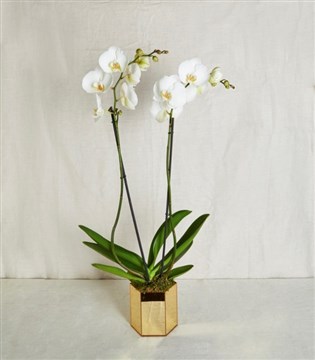
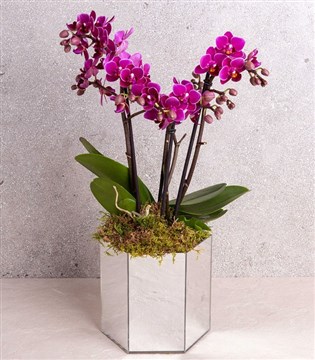
Click here to see different types of orchids.
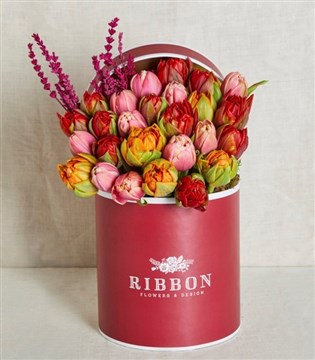
Tulip garden in a red box
Share: