
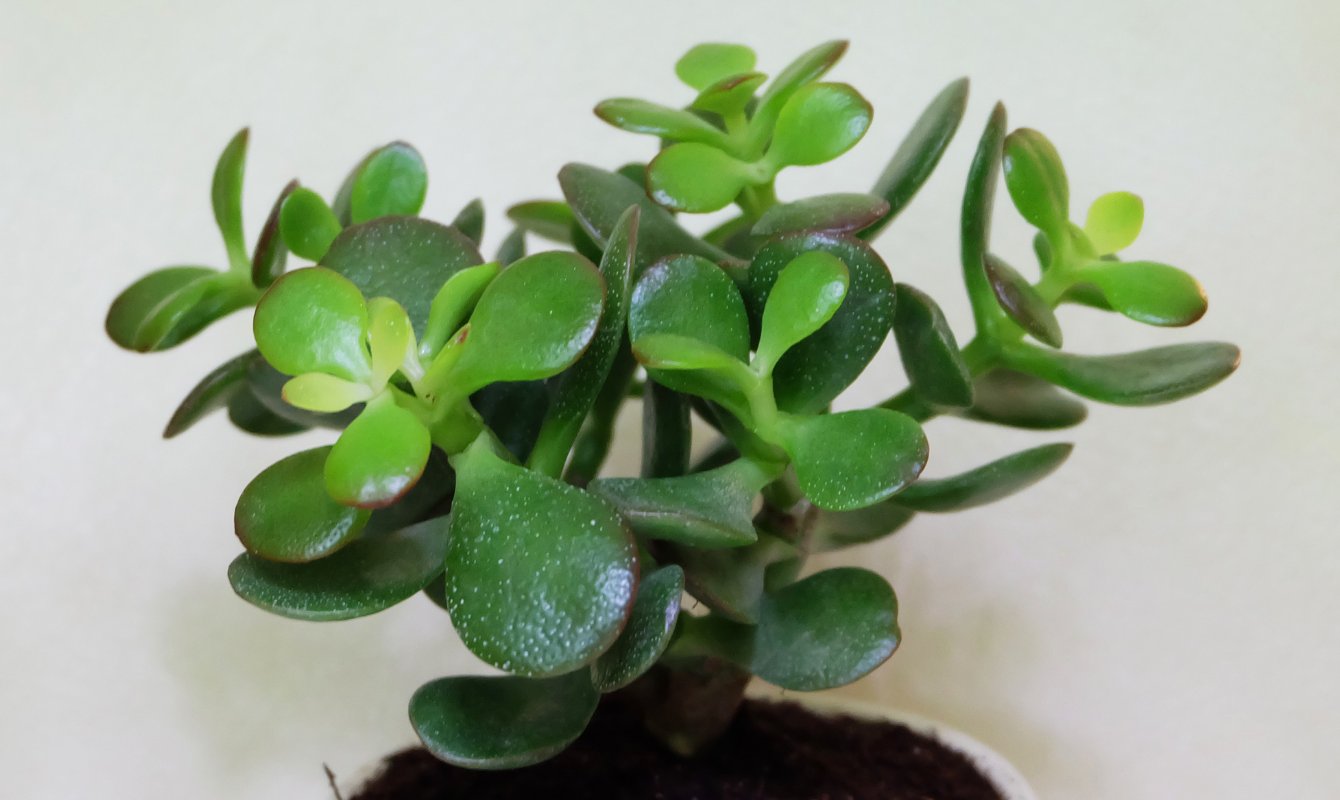

Plant Care · Money Plant
Three rules are sufficient for caring for the money plant (Crassula ovata): plenty of light, little water, and well-drained soil. The plant should be kept in the brightest spot in the house, ideally receiving several hours of sun a day; it should be watered when the soil is completely dry and repotted into cactus or succulent soil.
The most common mistake is overwatering. Watering every 1–2 weeks in summer and every 3–4 weeks in winter is usually sufficient. Mature money plants will produce small white or pink flowers in winter.
With its thick, glossy green leaves and tree-like trunk, the money plant is one of the easiest houseplants to care for. Believed to bring abundance and prosperity, it's a favorite gift for new homes and new jobs. This guide explains what a money plant is, how to identify a genuine money plant, its light, watering, and soil requirements, where to place it in your home, how to propagate it, and how to get it to bloom.
What is a Money Flower?
Money plant, scientifically known as Crassula ovata , is a thick-leaved succulent native to the KwaZulu-Natal and Eastern Cape regions of South Africa, as well as Mozambique. It can withstand prolonged periods without water because it stores it in its leaves, making it a beloved and easy-to-care-for houseplant worldwide.
In Türkiye, it is known by various names such as money flower, money tree, jade plant, and lucky plant; in English, it is called "jade plant" or "money tree". Over time, its trunk thickens and it takes on the appearance of a small tree; with proper care, it can live for decades.
Which is the real money flower?
The name "money flower" is used for more than one plant, leading to confusion. In Turkey, the plant in question is Crassula ovata . The most commonly confused plants are:
Plants known as money flowers
| Herb | Appearance | Maintenance |
|---|---|---|
| Crassula ovata (real money flower) | Thick, glossy, oval leaves; tree-like trunk. | Plenty of light, very little water. |
| Pilea peperomioides (Chinese money flower) | Thin-stemmed, coin-shaped round leaves | Bright but indirect light, regular water supply. |
| Other Crassula species | Smaller or vine-shaped leaves | Succulent care |
In short, the succulent with thick, fleshy leaves is the true money plant; the one with round, thin leaves is the Chinese money plant. The two plants have different care requirements: Crassula loves sun and dryness, while Pilea does not like direct sunlight.
-
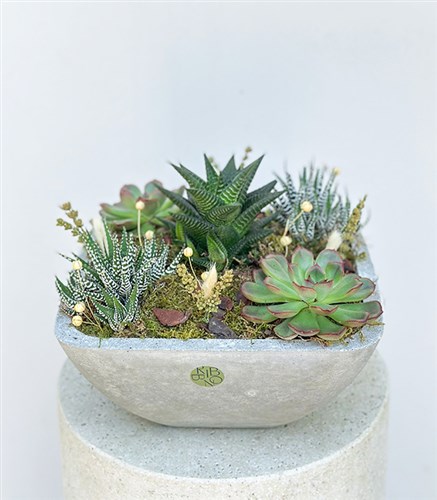 A succulent garden in a concrete vase with 5 different succulents; a mini garden that loves little water and plenty of light.
-
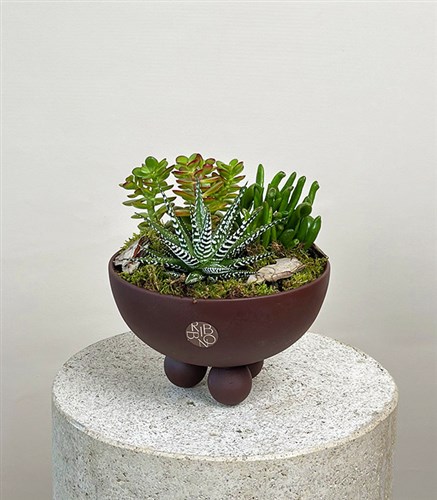 Succulents in a ceramic pot with a stand. Easy-to-care-for succulents that thrive in indirect light.
-
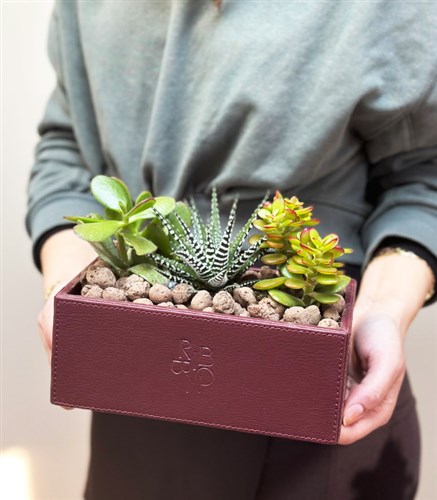 Three different types of succulents in a burgundy leather box , presented in a stylish gift box.
Money Plant Care Step by Step
- Light: Money plant needs plenty of light. A south or west-facing windowsill is ideal; several hours of sun a day will keep the leaves full and shiny. In low light, the stem thins and the leaves become sparser.
- Watering: Water when the soil is completely dry. In summer, once every 1-2 weeks is usually sufficient, and in winter, once every 3-4 weeks. Do not leave water under the pot.
- Soil: Use a quick-draining mixture of cactus and succulent soil or garden soil mixed with sand and perlite.
- Pot: Choose a pot that is slightly larger than the roots and has a drainage hole at the bottom. Terracotta pots are ideal as they absorb excess moisture.
- Temperature: Room temperature is suitable. Protect from frost and very cold drafts; do not leave it near a cold window in winter.
- Fertilizer: During spring and summer, apply succulent fertilizer once a month at half the recommended dose. Do not fertilize in winter.
- Repotting: Do this every 2-3 years, in the spring. When the roots fill the pot, repot into a larger one.
Where should a money plant be placed in the house?
The best place for a money plant is in front of the brightest window in the house. A window that receives light from the south or west is ideal for the plant's healthy growth. North-facing windows or corners far from windows are unsuitable.
In feng shui, money plants are placed near the entrance of a house or workplace, or in the southeast corner, to attract abundance and prosperity. You can also refer to our article on feng shui and plants for more information on the placement of plants in feng shui. This is a belief; the main factor determining the plant's health is light. If you want to consider both the belief and the plant's health, a bright window sill near the entrance is a good compromise.
Will the Money Flower Bloom?
Yes, it blooms. Mature money flowers usually produce small, white or pink star-shaped blossoms at the ends of the branches in winter. However, certain conditions are necessary for this:
- Maturity: Young plants do not flower; money plants need to be several years old before they bloom.
- Cool nights: A slight drop in nighttime temperatures in autumn stimulates flowering.
- Short days: The naturally shorter daylight hours of autumn and winter are necessary; it's best to avoid artificial light at night.
- Reduce watering: Reducing watering in the fall encourages the plant to flower.
How to Propagate Money Plants?
Money plants are among the easiest houseplants to propagate. The best time is during spring and summer.
- Prune: Remove a healthy leaf along with its stem, or cut off an 8–10 cm section of the branch tip.
- Drying: Leave the cut piece in the shade for 2–3 days; allowing the cut surface to dry will prevent rotting.
- Planting: Place in slightly moist succulent soil; simply lay the leaf flat on the soil.
- Wait: Place in a bright but out-of-sun location, keeping the soil slightly moist, for 2–4 weeks. Once roots have formed, resume normal care.
Similar to the money plant, these plants are associated with abundance and prosperity, and are suitable for both home and workplace:
-
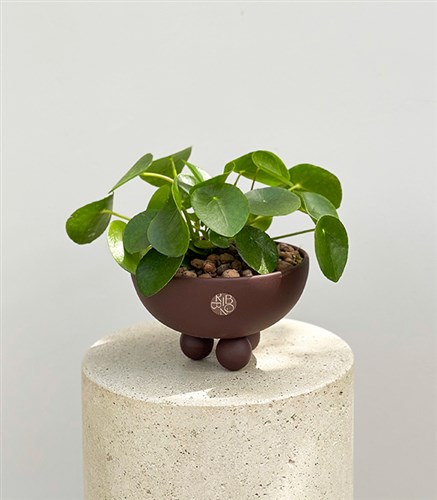 Pilea · Chinese money plant . A plant known for its round, coin-shaped leaves.
-
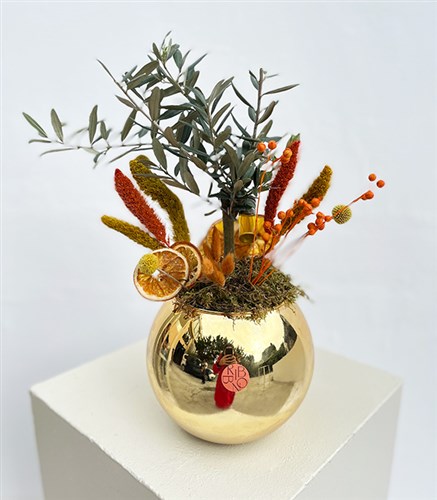 An olive tree in a gold glass vase, a symbol of peace and abundance, adorned with dried flowers.
-
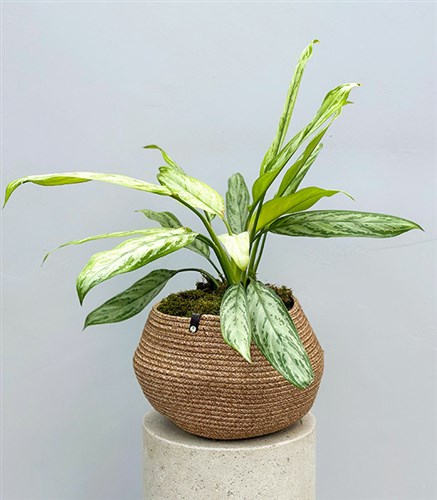 Aglaonema · Chinese evergreen. Low light tolerant, silvery patterned leaves.
Common Problems in Money Plants
Problem and solution according to the symptom.
| Symptom | Possible reason | What should be done? |
|---|---|---|
| The leaves are soft and yellow. | Too much water, root rot. | Stop watering, or water sparingly when the soil dries out; remove rotten roots and repot. |
| The leaves are wrinkled. | Thirst | Water the soil thoroughly, then drain off the excess water. |
| The leaves are falling. | Sudden temperature change, excess water | Remove the plant from drafts and regulate watering. |
| The trunk is getting longer and thinner. | Insufficient light | Move it to a brighter window. |
| Leaf edges are reddish | Plenty of sunshine (usually harmless) | No need to worry; the plant responds well to sunlight. |
If you have cats or dogs at home, be careful: According to the ASPCA, money plants are poisonous to pets. Place the plant on a shelf where they cannot reach it. For other easy-to-care-for plants, you can check out our articles on the easiest plants to care for and drought-tolerant plants .
The Meaning of the Money Flower
The money plant is considered a symbol of abundance, prosperity, luck, and friendship . Its round, full petals resemble coins, hence these meanings. Therefore, it's a popular gift choice for new jobs, new homes, openings, and promotions. While these meanings are rooted in cultural beliefs, they add a beautiful touch to the gift itself.
If you're looking for a gift for a new beginning, here are our personalized and easy-to-care-for succulent gifts:
-
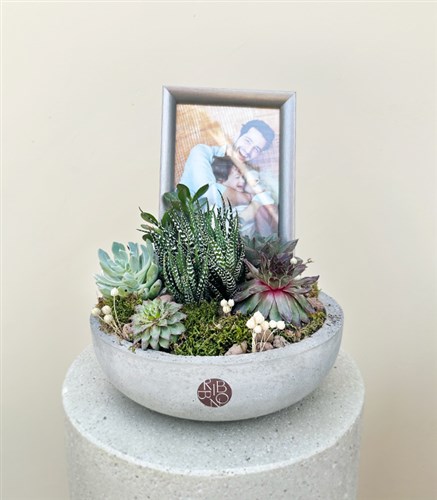 A photo-framed succulent garden , a personalized gift created with your photo.
-
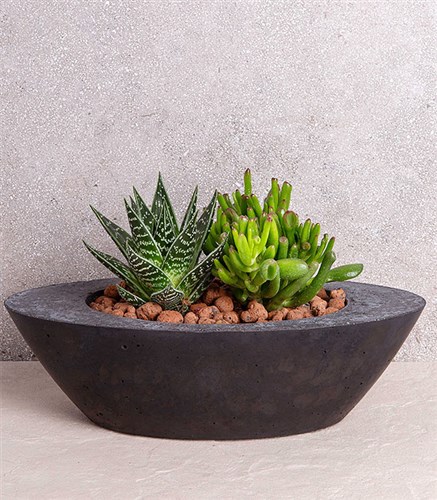 Succulent Green Luxe is an elegant and decorative succulent that looks great on your desktop.
-
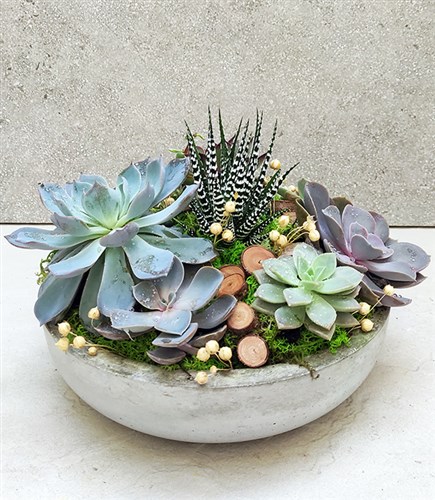 Circle Succulent Garden: A round, long-lasting succulent garden.
A green gift for a new beginning. Explore our succulent gardens and easy-to-care-for plants. Send flowers to your loved ones; we offer same-day delivery within Istanbul.
PlantsThe last order time for same-day delivery within Istanbul is 2 PM; for Beşiktaş, Şişli, Sarıyer, Beyoğlu, and Kağıthane, it is 5 PM.
Frequently Asked Questions About Money Plants
How to care for a money plant?
Money plant (Crassula ovata) should be kept in a bright location, preferably receiving several hours of sun a day; it should be watered when the soil is completely dry and planted in well-drained cactus or succulent soil. Overwatering is the most common problem and leads to root rot.
Which is the real money flower?
In Türkiye, when "money plant" is mentioned, it actually refers to the succulent Crassula ovata with its thick, glossy green leaves; it is also known as the jade plant or money tree. Pilea peperomioides, which has round, coin-shaped leaves, is a different plant known as the "Chinese money plant".
Where should a money plant be placed in the house?
The money plant should be placed in the brightest spot in the house, preferably in front of a south or west-facing window. According to feng shui beliefs, it is placed in the entrance or a bright corner of the living room to bring abundance; however, the most important thing for the plant is that it receives plenty of light.
How often should money plants be watered?
Watering should be done when the soil is completely dry. This usually means once every 1-2 weeks in summer and once every 3-4 weeks in winter. Water should not be left to stand at the bottom of the pot.
Will the money plant bloom?
Yes. Mature money plants typically produce small, white or pink star-shaped flowers in winter. Flowering requires cool nights, short days, and reduced watering in the fall; young plants may not bloom.
How to propagate money plants?
Money plant is easily propagated by leaf or stem cuttings. The cut leaf or stem is left in the shade for 2-3 days to dry the cut surface, then planted in moist succulent soil. It will root within a few weeks.
Why do the leaves of the money plant fall off?
The most common causes are overwatering, sudden temperature changes, and insufficient light. If the leaves soften and turn yellow, it's a sign of overwatering; if they wrinkle, it's a sign of dehydration.
Is money plant poisonous?
According to the ASPCA, the jade plant is poisonous to cats, dogs, and horses; ingestion can cause vomiting, weakness, and impaired coordination. It should be kept out of reach of pets.
What does the money flower symbolize?
Money flowers are considered a symbol of abundance, prosperity, luck, and friendship. Therefore, they are frequently chosen as gifts for new jobs, new homes, and openings. These meanings are based on cultural beliefs.
What is another name for the money flower?
The scientific name of the money plant is Crassula ovata. It is also known as jade plant, money tree, lucky plant, and friendship tree; in English, the names "jade plant" and "money tree" are used.
Easy to care for, with beautiful meanings . Our plant gifts are perfect for new homes, new jobs, and openings. Same-day delivery within Istanbul for flower orders .
Easy-to-care-for plantsSources
- Wikipedia – Crassula ovata
- ASPCA – Jade Plant
Last update: October 28, 2026. This guide was updated in October 2026; maintenance information has been re-verified with sources.