
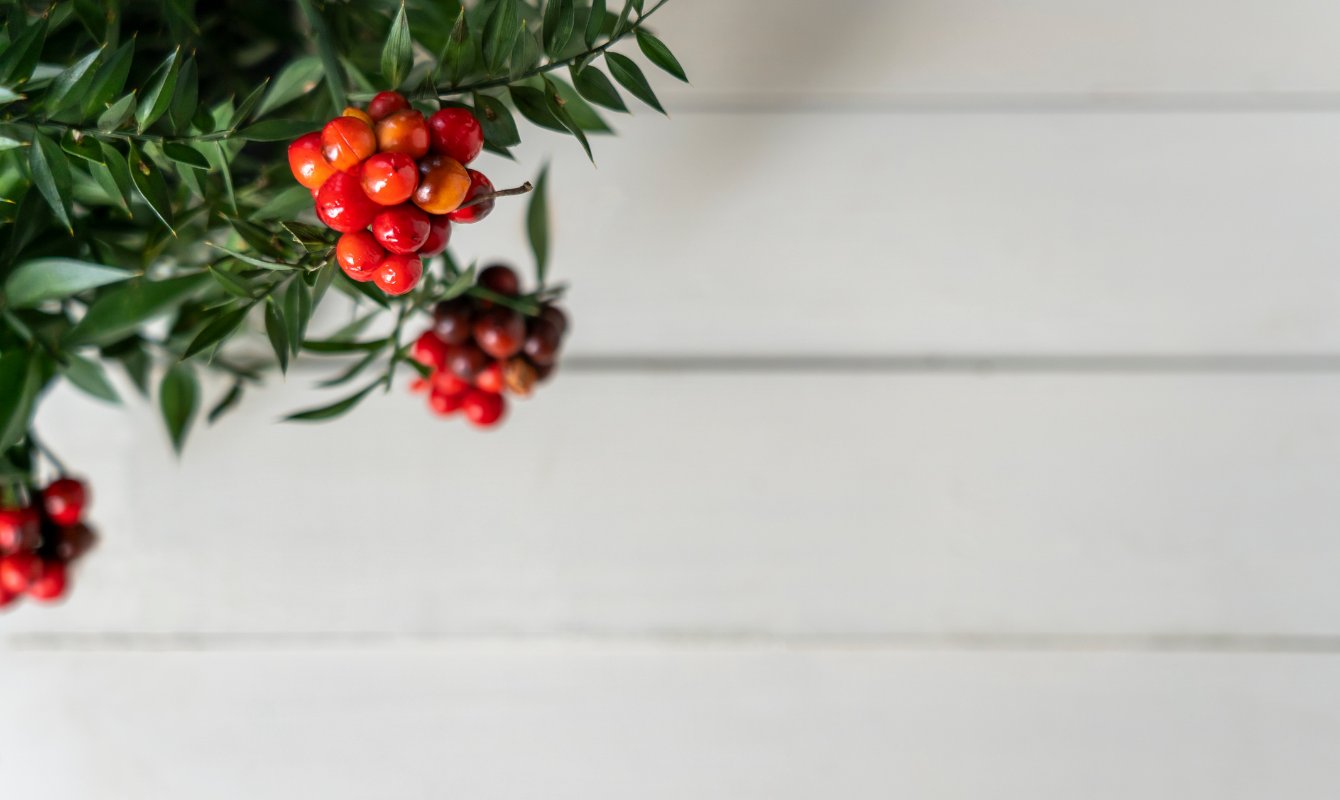

New Year's · Poppy Care
Kokina is very easy to care for: you can keep cut kokina branches in a cool place, in a vase with 2-3 fingers of water, or completely dry. Kokina retains its shape even when dehydrated; it will dry out over time but will not fall apart. To keep the red berries on the branches, keep them away from heaters and direct sunlight.
Kokina, scientifically known as Ruscus aculeatus , is an evergreen shrub with red berries. It is often confused with poinsettia, but they are different plants.
With its bright red berries and dark green, pointed branches, the kokina has become a symbol of the New Year in Türkiye. It can be found everywhere, from door decorations to table arrangements. This guide explains what kokina is, how to care for cut kokina in a vase, whether to keep it in water, what to do with dried kokina, when to harvest it, and how to grow it.
What is Kokina?
Kokina, scientifically known as Ruscus aculeatus , is a low-growing, evergreen shrub with red berries. It grows naturally in a wide range of regions from Western and Southern Europe to North Africa and Western Asia, including Turkey, in the shade of forests.
The stiff, pointed parts of the cochineal plant that look like leaves are actually not leaves at all, but flattened stems called cladodes . The small flowers and subsequent red fruits develop in the center of these cladodes. Cochineal is a dioecious plant: male and female flowers are found on separate plants, and only female plants produce red fruit .
The name "Kokina" comes from the Greek word meaning "red." It is also commonly called hare's breast or wild blueberry; in English, it is known as "butcher's broom" because of its branches, which are said to have been used by butchers to clean their counters.
The Difference Between Kokina and Atatürk Flower
When people think of Christmas plants, two plants come to mind and are often confused. The difference is this:
A comparison of Kokina and Atatürk flower.
| Feature | Kokina | Poinsettia (Apothecary flower) |
|---|---|---|
| Scientific name | Ruscus aculeatus | Euphorbia pulcherrima |
| The red part | Small, round fruits | Upper leaves (bracts) |
| Appearance | Stiff, sharp, dark green branches | Large, soft-leaved potted plant |
| How to sell? | As a cut branch or bouquet | In a pot |
| Maintenance | It can withstand drought and retains its shape when dry. | It requires regular water and a warm, bright environment. |
For more information about Christmas plants, you can read our article What is a Christmas Flower?
-
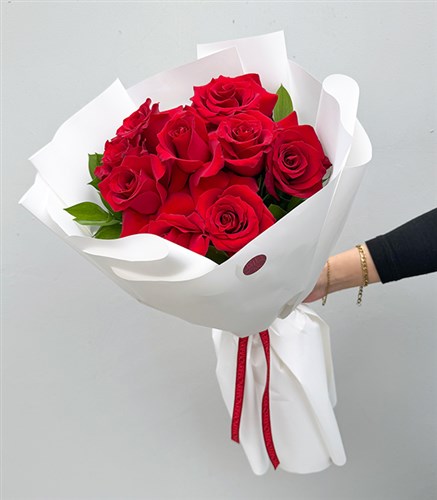 Red Rose Bouquet: Red, the color of the new year, in a classic rose bouquet.
-
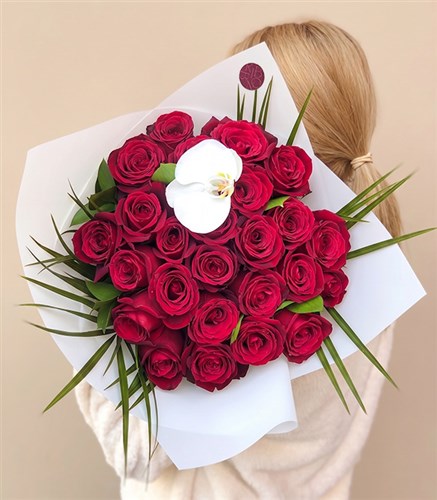 Amore 25 Red Roses is a romantic bouquet prepared with 25 red roses.
-
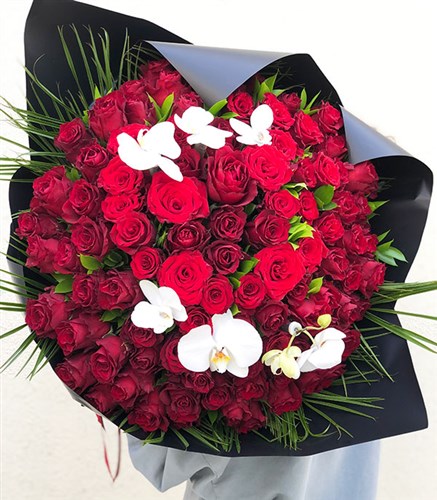 A bouquet of 101 red roses: A magnificent start to the new year.
How to care for Kokina in a vase?
Cutting red pear branches are one of the least maintenance-intensive Christmas decorations. To keep your branches alive for a long time:
- Choose a cool location: Place the poinsettia away from radiators, stoves, fireplaces, and direct sunlight. Hot, dry air accelerates the shriveling and shedding of the fruit.
- Less water is enough: Put 2-3 fingers' worth of water in the vase, or don't add any water at all. Water helps the branches stay green and flexible for longer.
- Trim the stems: If you're going to put them in water, cut the ends of the branches diagonally with sharp scissors.
- Freshen the water: If there is water in the vase, change it every few days; cloudy water can cause bad odors.
- Reduce touching: Fruits become delicate as they ripen; avoiding frequent moving of branches will reduce shedding.
Can kokina be put in water?
Kokina can be placed in water, but it's not mandatory. This is the biggest feature that distinguishes kokina from other cut flowers. You can use either method:
- With water: A little water in the vase will help the cladodes stay dark green and supple for longer. Choose this method if you want to keep your kokina looking "fresh" for a few weeks.
- Without water: Kokina retains its form even without water. It dries out over time and its color becomes slightly duller, but it doesn't fade. It's ideal for uses such as door decorations, wreaths, and gift wrapping.
What to do when the pomegranate dries?
There's no need to throw away dried kokina. After drying, kokina largely retains its shape and can be used as dried flowers for a long time.
- Dry arrangement: Transform a flower into a winter decoration by combining cotton, eucalyptus, or dried herbs in a vase.
- Door decorations and wreaths: Dry branches are easily tied to wreaths.
- Gift wrapping: A small sprig of red mulberry adds an elegant touch to a Christmas gift.
If the fruit has started to fall, move the branches to a dry, cool, and less-disturbed corner. Some people also use a clear spray varnish to keep the fruit in place.
-
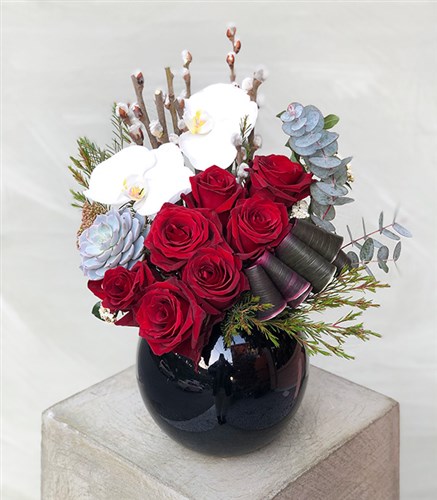 Jenny's rose and orchid arrangement: Red roses and white orchids in a black vase.
-
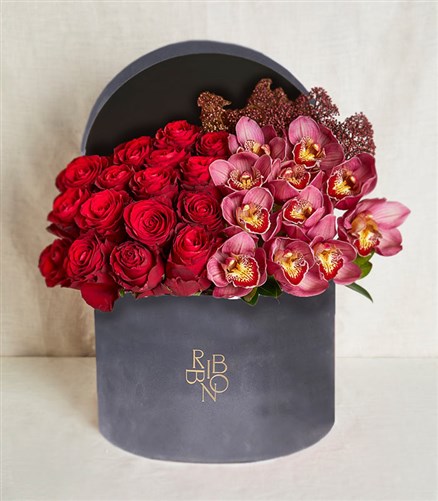 Roses and orchids in a red box. A touch of Christmas elegance with roses and orchids in a red box.
-
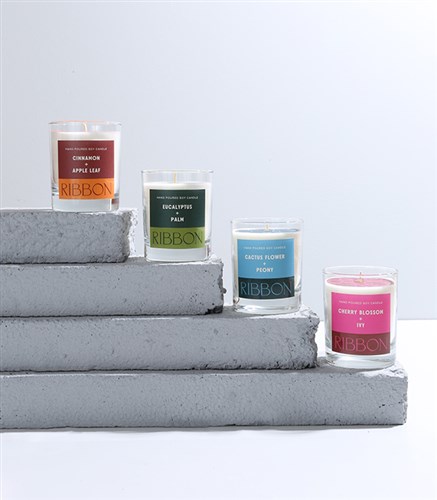 A set of 4 scented glass candles to add warm light and fragrance to your Christmas table.
When to harvest kokina?
Kokina is most commonly harvested in December, in the weeks leading up to the New Year. The red berries of the kokina ripen in late autumn and early winter; therefore, kokina branches begin to appear in flower shops and markets from the beginning of December.
Harvesting the berries 1-2 weeks before New Year's ensures the branches enter the new year laden with bright, healthy fruit. If the berries are harvested too early and left in a warm house for weeks, some of the fruit may fall off.
How to Grow and Propagate Kokina?
Kokina can be grown in the garden or in a large pot, but it requires patience; it grows very slowly.
- Location: Choose a shady or semi-shady spot. Kokina naturally grows under trees; it doesn't like direct, scorching sun.
- Soil: Well-drained soil rich in organic matter is ideal. Kokina is also quite tolerant of drought and poor soil.
- Propagation: The easiest method is dividing the root (rhizome) in spring or autumn. Propagation by seed is possible, but germination is very slow and irregular.
- For fruit production: Only female plants produce fruit, so a male plant must be present nearby for fruit to form. If you want fruit, plant male plants along with female plants.
- Watering: Keep the soil slightly moist during the first year; once established, watering is sufficient only during long dry periods.
For those who want to enter the new year with the most striking shades of red:
-
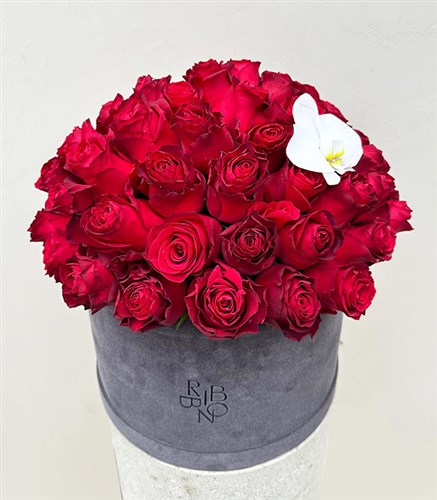 Rosalie 51 red roses : 51 red roses in an elegant grey box.
-
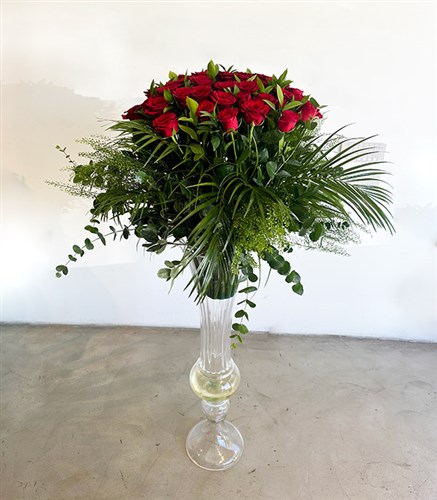 50 Red Ecuadorian Roses. Long-stemmed Ecuadorian roses in a royal vase.
-
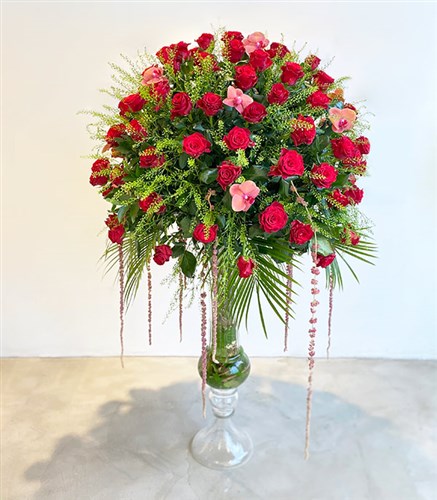 101 Red Roses in a Vase: An unforgettable New Year's surprise.
Celebrate the New Year with flowers! Browse our New Year's flowers and red rose bouquets. Send flowers to your loved ones; we offer same-day delivery within Istanbul.
Christmas flowersThe last order time for same-day delivery within Istanbul is 2 PM; for Beşiktaş, Şişli, Sarıyer, Beyoğlu, and Kağıthane, it's 5 PM. For your New Year's message, you can check out our New Year's note card suggestions , and for gift ideas, you can find our New Year's gift ideas article.
Frequently Asked Questions About Kokina
How to care for a poinsettia?
Cuttings of the pomelo tree require very little maintenance. They can be placed in a vase with 2-3 fingers of water or used dry without any water. Keeping the branches in a cool place away from radiators and direct sunlight will help the fruit stay bright and on the branch longer.
Can kokina be put in water?
Water is acceptable but not mandatory. A little water in the vase helps the leaf-like parts (cladodes) stay green and supple for longer. Kokina also retains its form without water; it will dry out over time but will remain intact. If you do add water, refresh it every few days.
How long does kokina last in a vase?
Kokina branches last for weeks in a cool environment. Even after drying, they largely retain their shape and color, so they can be used as decoration for months.
What do you do with dried kokina?
Dried red pear branches don't have to be thrown away. The dried branches can be used in dried flower arrangements, door decorations, and gift wrapping. If the fruit has started to fall, gently securing the branches or moving them to a dry corner can help.
When is the best time to harvest kokina?
Kokina is most commonly sold in December, in the weeks leading up to the New Year. This is the best time to buy kokina because its red berries ripen in early winter.
In which month is kokina harvested?
Kokina is usually harvested in December. Harvesting 1-2 weeks before New Year's ensures the branches enter the new year with fresh and bright fruit.
How is kokina grown?
Kokina (Ruscus aculeatus) is a slow-growing, evergreen shrub that prefers shade to partial shade. It is most easily propagated by root (rhizome) division. Since only female plants produce red berries, you will need either female plants or both male and female plants if you want to obtain fruit.
How to care for a kokina bouquet?
You can keep the kokina bouquet in a cool room, in a vase with shallow water, or without water. If the bouquet contains fresh flowers, fill the vase according to the amount of fresh flowers and change the water every two days; the kokina branches will not be affected by this water.
Are kokina and apokalina the same thing?
No. The poinsettia (Ruscus aculeatus) is a shrub with small red berries and stiff green branches. The goldenrod (Euphorbia pulcherrima) is a potted plant whose upper leaves turn red. Although both are known as Christmas plants, they are completely different plants.
Is kokina poisonous?
The red berries of the cochineal plant should not be eaten; swallowing them can cause nausea and vomiting. It is safest to keep them out of reach of small children and pets.
The most elegant shade of red: Our red rose and orchid arrangements for the New Year. Same-day delivery within Istanbul for flower orders .
Red rosesSources
- Wikipedia – Ruscus aculeatus
- Wikipedia – Cladode
Last update: October 28, 2026. This guide was rewritten in October 2026; information from the previous version that confused poinsettia with Atatürk flower has been corrected.