
Feng Shui and Plants
Feng Shui and Plants
What is Feng Shui?
Feng Shui, whose name literally means "wind" and "water," is an ancient Chinese teaching with a 5,000-year history. Feng Shui is a technique for harmoniously activating the universal life energy found in nature within living spaces. The key word here is "harmony."
What does Feng Shui add to our lives?
Although we have become distanced from nature in today's conditions, humans are a part of nature. For this reason, we seek the balance and harmony of nature in the spaces we live in. Disharmony between the space and the human being negatively affects our lives. This is precisely where Feng Shui teachings come into play, offering guidance on arranging living spaces in accordance with human nature. In this way, we can improve ourselves, build healthy relationships, be happy, and increase our income.
If life is a journey, then Feng Shui is one of the decisions we make on that journey.
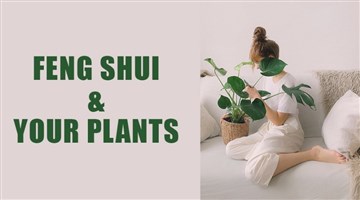
Let's achieve harmony with nature through Feng Shui plants!
"Having flowers inside the house always signifies good energy and good luck," says Feng Shui. But of course, that's not all.
In this article, we've discussed how to position plants in our living spaces according to Feng Shui principles. Let's examine it together.
Good Feng Shui Plants
Plants are always considered excellent feng shui practices for homes and offices because they add Chi (life energy) or energy to the environment. Healthy plants, when placed in areas with good bagua (feng shui energy map) and displayed in aesthetically pleasing pots, will create good feng shui.
So, which plants are considered good feng shui plants? We can divide these plants into two categories.
- First on the list are plants with air-purifying properties. Because without clean, good-quality air in the home or office, it's impossible to have good energy. (Many plants, such as areca palms and love ladders, fall into this category.)
2. Good Feng Shui plants are also known as traditional prosperity/profit plants. (Plants like jade and bonsai fall into this category.)
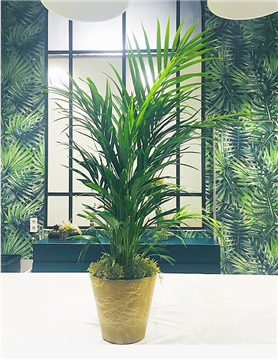
Click here to see different types of plants similar to the Areca Palm.
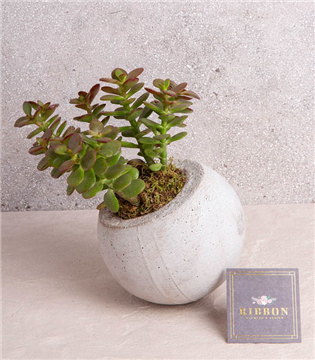
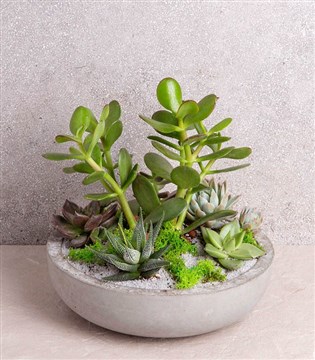
Click here to see Jade Plant and similar plant species.
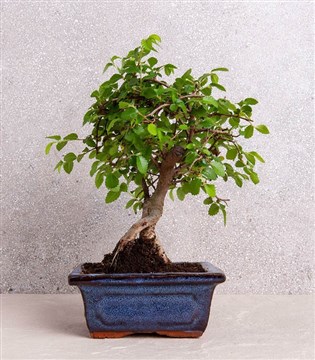
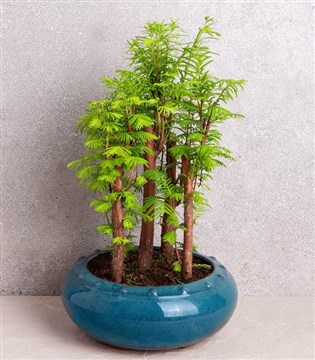
Bonsai trees
Bad Feng Shui Plants
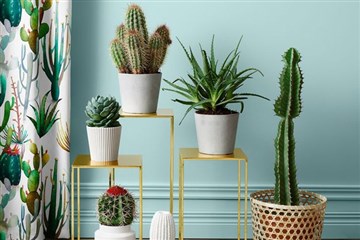
Plants in this category are generally considered bad because of their form and are believed to add unwanted energy to the environment. The classic example is the cactus, due to its thorns, and similarly, its energy is believed to be "thorny."
Similarly, wilted, dried, or dead plants, which are believed to give off bad energy, should not be kept indoors.
Positioning of Plants in Their Habitats
According to Feng Shui principles, the best places to position plants in indoor spaces like homes and offices are the Bagua (Feng Shui energy map) areas. The most perfect areas are the east, southeast, and south Bagua areas. It is advisable to avoid placing too many plants in the north, southwest, northwest, west, and northeast areas.
According to Feng Shui principles, the placement of plants in different bagua areas is based on the interaction between the five Feng Shui elements: Wood, Fire, Earth, Metal, and Water.
Paylaş: