
Elephant's Foot Flower and its Care
The elephant's foot plant is a type of plant that stands out with its perforated leaves. It's quite easy to care for as it can be easily grown indoors.
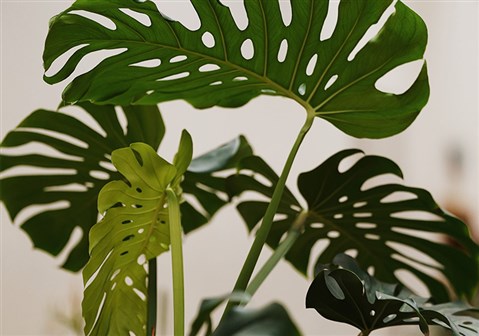
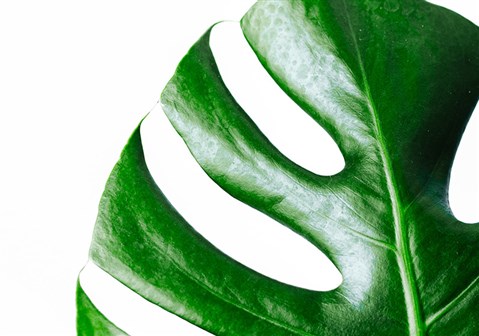
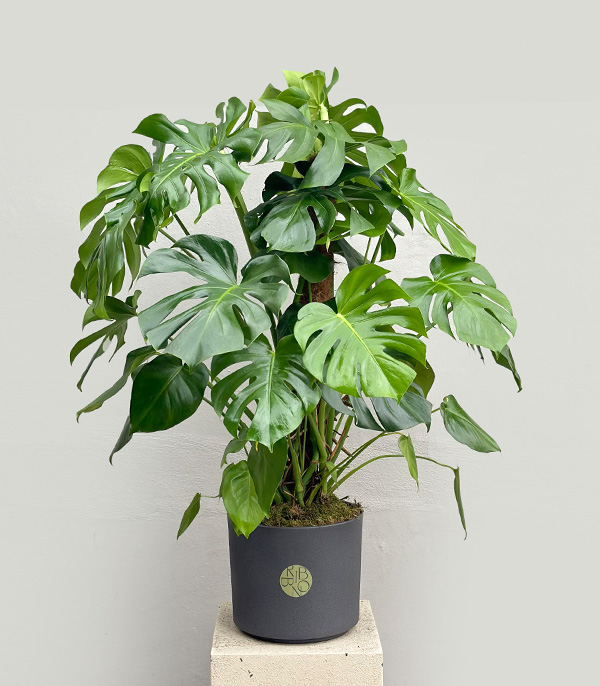
The elephant's foot flower has a beautiful appearance with its lush, broad leaves. Growing in rainforests, the leaves of these plants develop holes due to excessive rainfall, allowing sunlight to reach the leaves below. The elephant's foot flower owes its unique appearance to this phenomenon. Nowadays, with proper care, it can easily be grown at home.
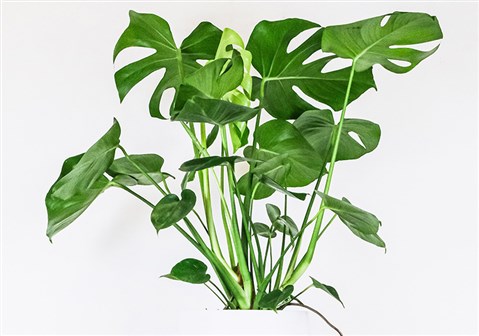
Monstera Plant Characteristics
For those wishing to keep a snake plant at home, it is crucial to be knowledgeable about its characteristics. This will help them understand the optimal growing conditions. The characteristics of a snake plant can be summarized as follows:
- It grows efficiently in regions with temperate climates.
- Their dimensions generally range from 40 to 150 cm.
- It needs a humid environment to grow in.
- It grows most efficiently at approximately 15-25 degrees Celsius.
- Fibrous, sandy, and humus-rich soils help plants grow faster.
In addition to these properties, the elephant's foot plant is believed to radiate positive energy into its surroundings. If you want to change the atmosphere of your home, you can buy and grow an elephant's foot plant . You can also give it as a gift to a loved one who you think needs positive energy.
How should camel's foot be cared for?
With proper care, a snake plant can grow up to 2 meters tall. By paying attention to a few key points, you can properly care for your snake plant. Since snake plants prefer a humid environment, it will be beneficial to moisten their leaves every 2-3 days using a spray bottle filled with water. In addition, you should pay attention to the watering intervals.
You can meet the water needs of your elephant's foot plant by watering it twice a week. You can use fibrous soil types for the elephant's foot plant . Finally, you should choose a large pot for the plant to develop healthily.
How to Propagate the Elephant's Foot Plant? How to Propagate It?
Propagating camel's foot is quite simple. You can easily propagate your camel's foot by following these steps:
- First, you need to cut off the leaf closest to the roots and soak it in water for a certain period of time. Although the soaking time varies depending on the environment, the time is up as soon as it sprouts.
- Once the sprouting process is complete, you can plant the elephant's foot leaf in a small pot and begin growing it.
- The leaf will attach to the soil in approximately 2-3 weeks. Regular watering of the soil during this time is very important.
If the leaf you planted has taken root in the soil by the end of the third week, it means your elephant's foot propagation process from leaf has been successful.
Can the Elephant's Foot plant be propagated from leaves?
Propagation of the elephant's foot plant is usually done by cuttings. Therefore, it is possible to propagate elephant's foot from leaves. Elephant's foot varieties can be propagated by leaf cuttings in approximately 3 weeks. After propagation, it is very important to repot the plant in a new pot of appropriate size as it grows.
Why does the Elephant's Foot flower cry?
" Why does the elephant's foot flower cry ?" is a question many people who enjoy growing plants wonder about. While the reason for crying varies, it is usually due to overwatering. Therefore, watering the elephant's foot flower moderately, twice a week, is sufficient.
What are the different types of Camel's Foot (a type of plant)?
Camel feet are divided into different types according to their appearance and characteristics. In general, the types of camel feet are as follows:
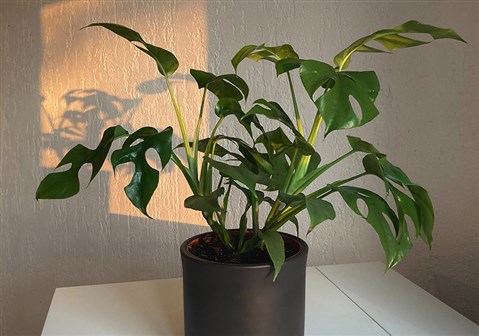
- Split-leaved camel's foot
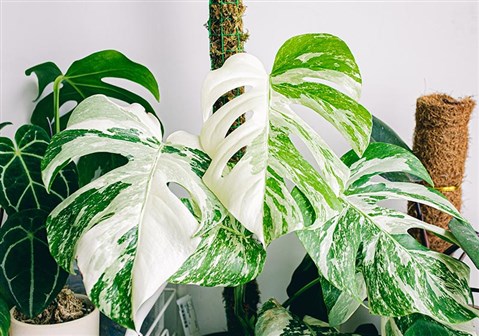
- Mottled camel foot
- Perforated camel toe
- White-leaved camel's foot
The perforated camel's foot is the most common type of camel's foot. It is especially easy to grow in a home environment. The variegated and white-leaved camel's feet, on the other hand, attract attention with their unique appearance.
How should a Spearfishing Plant be repotted?
Elephant's Foot plant should not be repotted frequently. Careful repotting is sufficient when the plant has grown to the point where it barely fits in the new pot.
Can the Elephant's Foot Plant Bloom?
It's impossible to give a definitive answer to the question, " Does the elephant's foot plant bloom ?" Whether or not it blooms varies depending on the species.
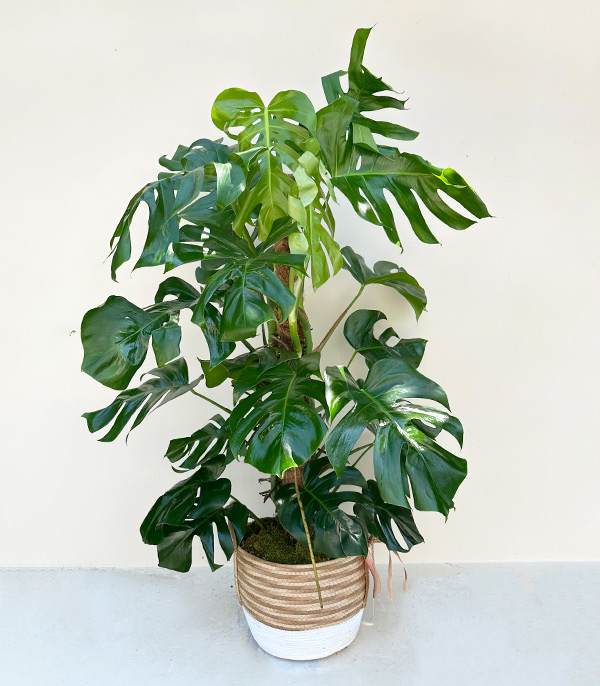
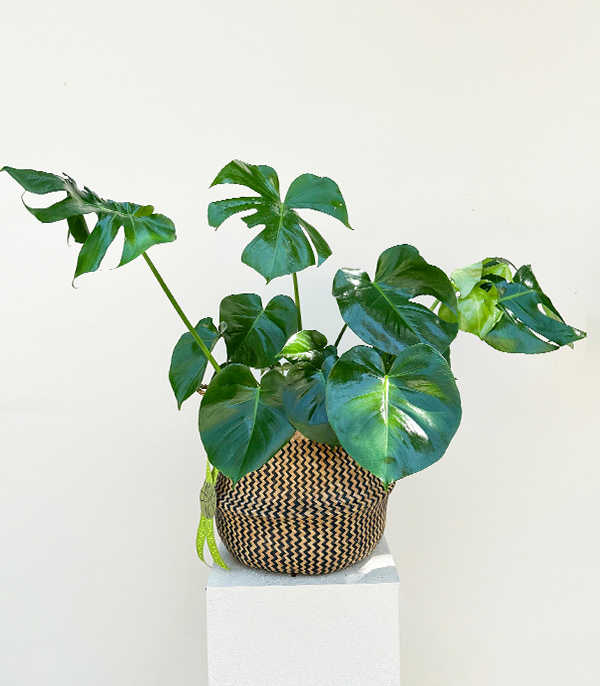
Elephant's Foot Plant in a Pot, 150 cm | Elephant's Foot Plant in a Pot, 80 cm |


| |
What causes yellowing of the leaves of the Elephant's Foot plant?
Sometimes, yellowing of the leaves can occur in the elephant's foot plant . This yellowing is usually caused by insufficient or excessive watering. In addition, the leaves can yellow if the plant does not receive enough light.
Should the aerial roots of the camel's foot plant be cut?
The aerial roots of the elephant's foot plant should not be cut unless they are causing significant problems. If they are cut, the cut roots should be placed back into the pot.
What should the soil be like in a camel's foot area?
Soils rich in humus and fiber are suitable for growing elephant ear.
Is Camel's Foot Poisonous?
People who want to care for camel's foot at home worry about whether it's poisonous . As long as it's not chewed or swallowed, camel's foot poses no harm.
Benefits of Elephant's Foot Flower
The benefits of camel's foot flower can be listed as follows:
- It contributes to the production of more oxygen in its environment.
- Its long lifespan and ease of maintenance are major advantages.
- It has air purification properties.
- Its aesthetic appearance makes it suitable for use in home decor.
You too can benefit from the positive aspects of buying a camel's foot plant for your home.
Paylaş: