
Edible Flowers
Edible Flowers
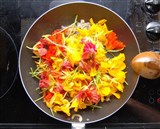
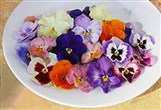

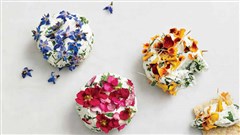
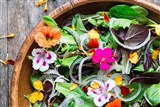
The use of flowers in the kitchen dates back thousands of years to China, Greece, and Rome. In many cultures, flowers are used in cooking to add color and flavor to dishes. They can be used as garnishes in salads, teas, and desserts. They also inspire creative uses. For example, you can add floral flowers to your ice cream or spicy ones to your homemade pasta dough. Similarly, you can use gladiolus flowers instead of zucchini blossoms in stuffed zucchini blossoms, or prepare syrups to add flavor to your drinks.
25 edible plants to inspire your kitchen:
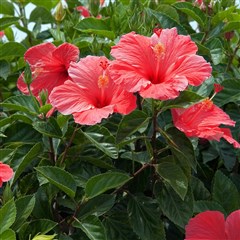
- Hibiscus (Mallow):
Mallow, known for its many benefits and commonly consumed as tea, can also be used in your desserts, tarts, and cocktails.
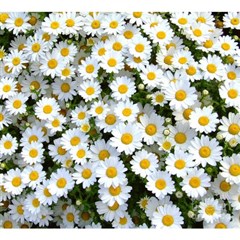
- Yellow Daisy ( Chamomile ):
Often used in teas, chamomile can be consumed fresh or dried, and its leaves can be used in salads and soups.
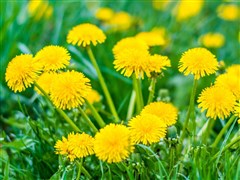
- Dandelion : You can use fresh dandelion greens in salads and sandwiches. Like other greens, they can be sautéed or boiled. Dandelion cream soup is a traditional French soup. You can also eat them fried. Recipe:
Materials:
½ teaspoon cumin
½ teaspoon coriander
½ teaspoon red pepper
a pinch of salt
Cooking Method:
Remove the green part attached to the base of the flower.
Wash the flowers with cold water. Do not dry them.
Mix the flour and spices in a bowl.
Heat the oil in a pan.
Dip each flower in the flour and spice mixture, then place the flower side down on the pan and fry for about 2-3 minutes until golden brown. Then flip the flowers over and brown for another 2 minutes.
Remove from the pan and drain on a kitchen towel.
And enjoy the taste :)
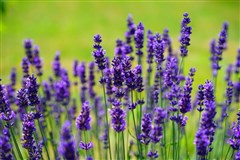
- Lavender : Lightly scented lavender adds a wonderful aroma when sprinkled on desserts like chocolate cake, and can also be enjoyed with cocktails and vanilla ice cream.
- Honeysuckle : You can use the wonderfully fragrant leaves of honeysuckle in syrup, teas, or puddings. Some honeysuckle species have edible flowers, but Japanese honeysuckle is the best with its honey-like flavor. The berries are poisonous and should not be eaten.
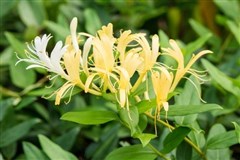
- Borage :
With its cucumber-like taste, the borage plant, used in salads since the Elizabethan era, also adds flavor to refreshing cocktails like lemonade with its blue, star-shaped flowers.
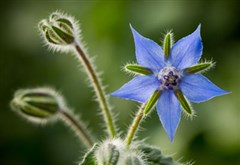
- Pansy :
With its herbaceous taste, you can enjoy pansies in flavored summer cocktails, fruit salads, or spread them on cheesy toast. Violets are edible; their flowers and leaves are eaten, excluding the roots. You can use or boil the leaves in soups and salads, and sprinkle the flowers on salads or add them to cakes and crepes.
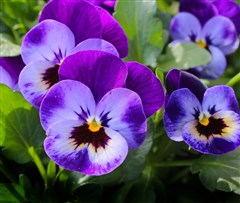
- Allium:
All the florets of the onion family, which includes about 800 species, are edible, and their flavor is typically milder than the greens. The leaves and purple florets can be added to salads or salad dressings.
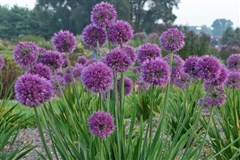
- Angelica : It has a taste similar to licorice root.
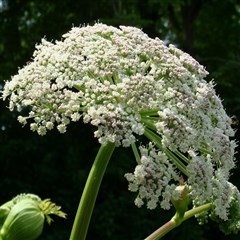
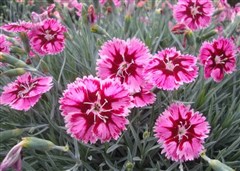
- Alpine Carnation (Dianthus) :
Its leaves and flowers have a sweet, perfumed aroma. This aroma pairs beautifully with sugar, oils, and vinegars.
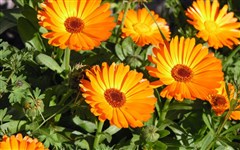
- Marigold (Calendula Officinalis) : Its peppery, sharp, and spicy taste and magnificent golden color add flavor and color to dishes.
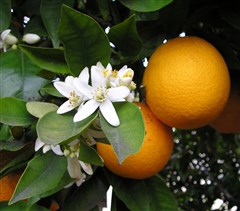
- Citrus Flowers: Orange, lemon, kumquat, grapefruit: Sweet and very fragrant citrus blossoms are used in recipes along with the fruit due to their intense aroma.
- Chrysanthemum : These flowers, of which only the leaves are edible, have a very bitter aroma and can be used as a substitute for pepper and chili.
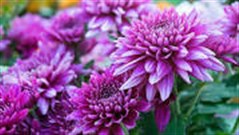
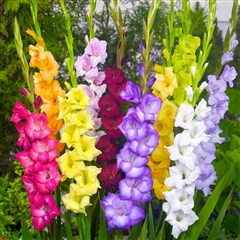
- Gladiolus : Gladiolus flowers, whose leaves can be used as a salad garnish, can also be stuffed, just like zucchini flowers.
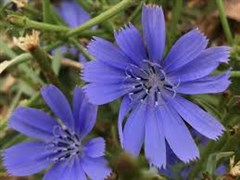
- White Chicory (Chicory) :
White endive, which has a bitter taste, can be boiled and added to salads, mixed with other greens to balance its dominant flavor, or its leaves can be consumed as a cooked vegetable.
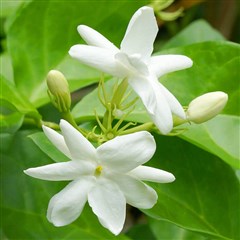
- Jasmine:
As you know, fragrant jasmine is generally used in teas. However, you can also use a small amount in sweet dishes and add a wonderful aroma to your food.
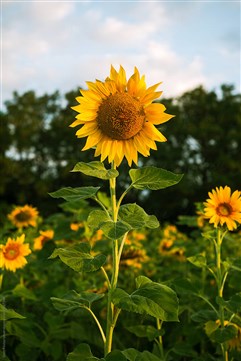
- Sunflower:
With its slightly nutty taste, the leaves add a unique flavor to salads and french fries. The buds, leaves, and seeds are edible.
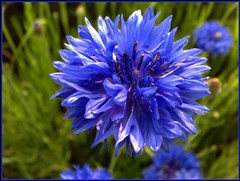
- Blue Cornflower (Bachelor's Abautton): Also known as cornflower, blue cornflower has a taste similar to cloves.
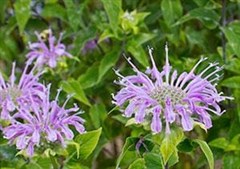
- Bergamot/Monarda (Bee Balm) :
With a scent reminiscent of Earl Grey tea, the flowers and young leaves of this plant have an intense mint aroma with citrus and thyme undertones. Monarda flowers can be added to cakes, drinks, or salads.
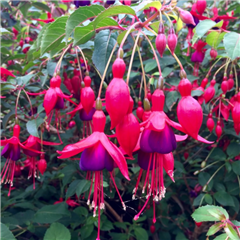
- Fuchsia : With its slightly acidic taste, fuchsia can be used to make wonderful garnishes.
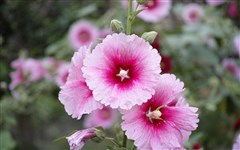
- Hollyhock :
This plant, known as mallow, has many medicinal benefits; its flowers and leaves are edible. You can add them raw to your salads.
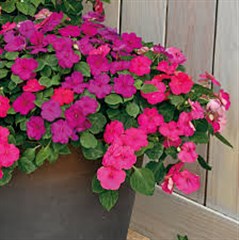
- Glass Beauty (Impatiens):
The flower, whose leaves have a surprisingly sweet taste, can be used in salads or cocktails.
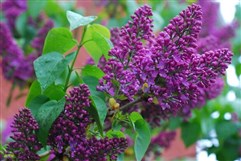
- Lilac :
You can enjoy these wonderfully colorful and fragrant lilacs mixed with cream cheese or yogurt.
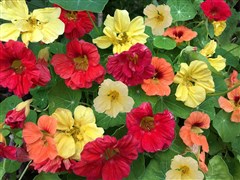
- Nasturtium:
This flower, with its slightly peppery taste, adds a yellow color and saffron-like flavor to dishes. It can be consumed with beef, like carpaccio, or enjoyed in savory purees.
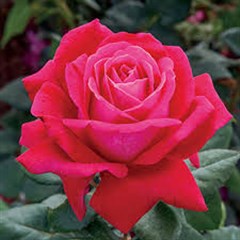
- Rose :
Rosehips, with their fruity flavor, can be used in many recipes, from teas and salads to soups, jams, and desserts. The flavor is more pronounced in darker rosehips.
Paylaş: