

Plant Guide · Carnivorous Plants
Carnivorous plants are those that obtain food by catching and digesting insects and small creatures. The best known examples are Venus flytrap, pitcher plant, sundew, trumpet plant, and oilwort. More than 600 species have been identified worldwide.
There are three basic rules for caring for them at home: plenty of light, pure water or rainwater instead of tap water , and poor soil without fertilizer.
Most plants obtain their nutrients from the soil. Carnivorous plants, however, have developed a different method because they live in nutrient-poor swamps and sandy soils: hunting. Closing leaves, sticky droplets, and pitchers filled with liquid are traps these plants have developed over millions of years. This guide describes the types of carnivorous plants, how they hunt, and how to care for them at home.
What is a carnivorous plant?
A carnivorous plant (or insectivorous plant) is a plant that catches, digests, and extracts nutrients from its prey. For a plant to be considered carnivorous, it must possess all three of these characteristics.
A common misconception is that these plants "live by eating meat." Carnivorous plants, like other plants, photosynthesize and obtain their energy from the sun. The insects they hunt are a source of nitrogen and phosphorus , which are absent in the poor soils where they live; in other words, the prey acts as a kind of fertilizer for the plant.
Carnivorous Plant Species
The six most commonly found groups in homes and collections are:
| Herb | Scientific name | Trap type | Difficulty in maintenance |
|---|---|---|---|
| Flycatcher | Dionaea muscipula | Closed leaf | Middle |
| Pitcher plant | Nepenthes | Jug filled with liquid | Medium - difficult |
| Sun rose | Drosera | Sticky drops | Easy |
| Trumpet plant | Sarracenia | Funnel-shaped leaf | Middle |
| Oil grass | Pinguicula | Sticky leaf surface | Easy |
| Water helmet | Utricularia | vacuum sac | Middle |
Venus flytrap
It is the best-known carnivorous plant. Its native habitat is the swamps of North and South Carolina in the USA. Its jaw-shaped leaves contain trigger hairs; if an insect touches these hairs twice within about 20 seconds, the trap closes in less than a second. This double touch prevents the plant from expending energy on false alarms, such as raindrops.
Pitcher plant (Nepenthes)
It originates from the tropical rainforests of Southeast Asia. Pitchers containing digestive fluids form at the tips of the leaves. Attracted by the smell and color, the insects fall inside through the slippery edge and cannot escape. Because it requires high humidity, it is more difficult to keep as a pet than others.
Sun rose (Drosera)
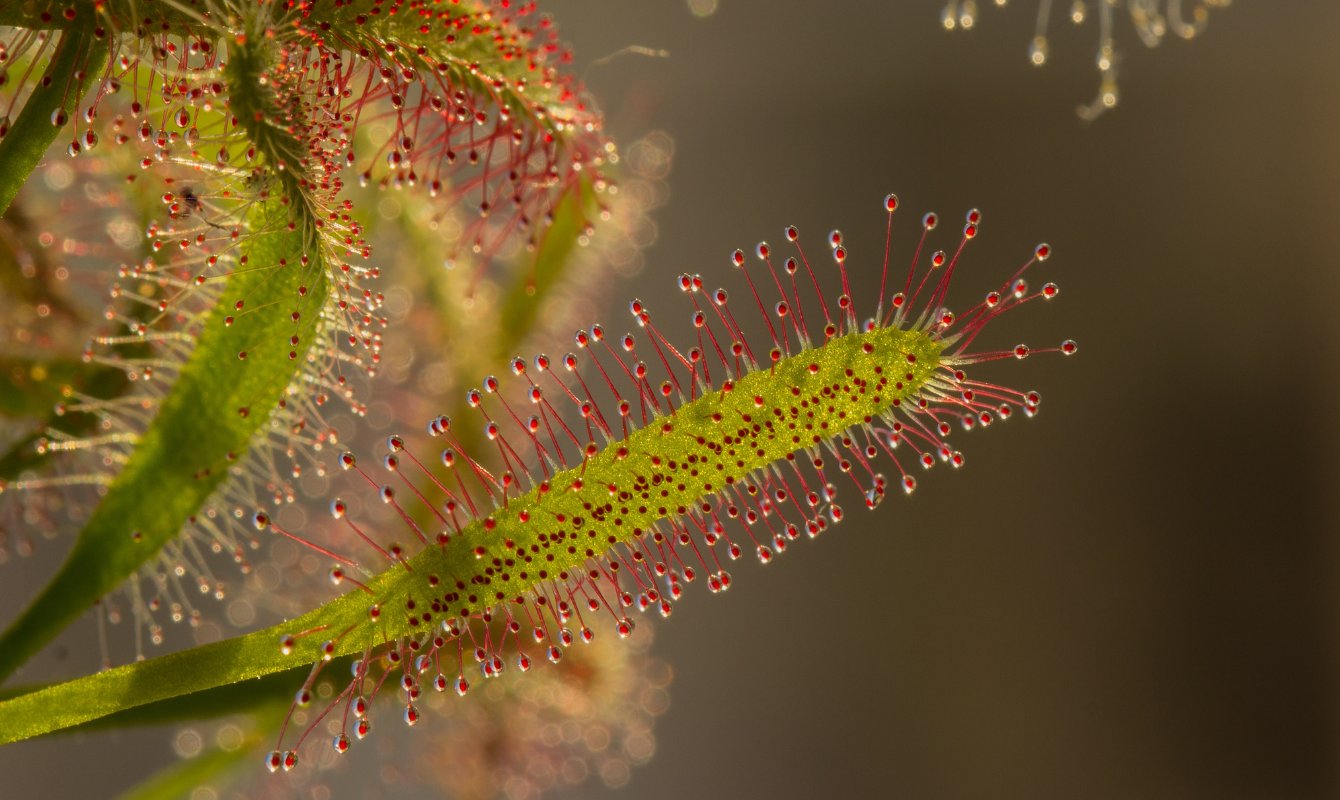
Its leaves are covered with sticky secretions that shimmer like dew drops in the sun. Tiny flies stick to these drops; the leaf slowly curls over its prey. It's one of the most suitable species for beginners, and can be grown on a windowsill.
Trumpet plant (Sarracenia)
It originates from North America. Insects that fall into its upright, funnel-shaped leaves are digested at the base. It requires plenty of sun and a cool dormant period in winter; therefore, it is suitable for gardens and balconies.
Oil grass (Pinguicula)
Its flat, light green leaves have a slightly sticky surface and are particularly effective at catching groundflies. It produces elegant, violet-like flowers. There are also varieties that grow naturally in the mountainous regions of Türkiye.
-
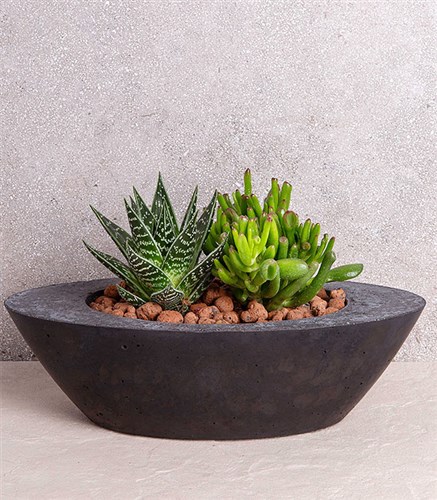 Succulent Green Luxe is a long-lasting table plant that requires little water.
-
 Succulents in a burgundy leather box . A stylish succulent arrangement in a leather box.
-
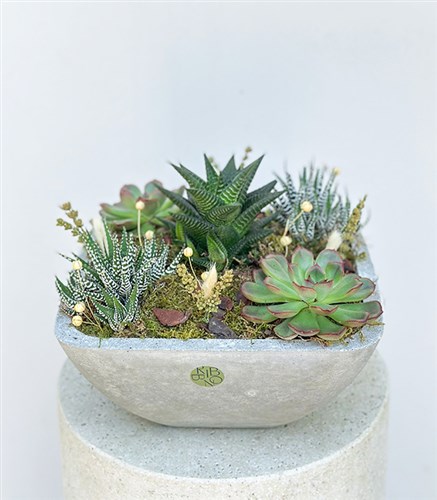 A succulent garden in a concrete vase . A mini garden consisting of different succulents.
How do carnivorous plants hunt?
Five basic trap types are observed in carnivorous plants:
- A leaf trap: The leaf closes quickly upon touch. Example: Venus flytrap.
- Sticky trap: The prey gets caught in the sticky secretion. Examples: sundew, oilseed.
- Pit trap: The prey falls into a cavity filled with liquid. Examples: pitcher plant, trumpet plant.
- Vacuum trap: An underwater sac that pulls any creature that touches it inside. Example: water helmet.
- Maze trap: The prey enters a narrow channel from which it cannot escape. Example: Genlisea.
The captured prey is digested by enzymes secreted by the plant. In the flytrap, this process takes more than a week; then the trap is opened again, leaving only the insect's shell behind.
Carnivorous Plant Care
Caring for carnivorous plants is almost the opposite of caring for typical houseplants. The basic rules are:
- Water: Use only rainwater, pure water, or reverse osmosis water. Minerals in tap water can burn the roots over time.
- Watering method: For Venus flytraps, heliums, and trumpet vines, keep 1-2 cm of water in the saucer at all times. For pitcher plants, keep the soil moist but don't let it sit in water.
- Light: Most species require at least 4–6 hours of direct sunlight per day. A south-facing window or balcony is ideal.
- Soil: Use a mixture of unfertilized peat with perlite or quartz sand. Ready-made potting soil and fertilizers will kill the plant.
- Feeding: In open air, the plant finds its own prey. In an indoor environment, one or two small insects a month are sufficient.
- Winter dormancy: Venus flytraps and trumpet flies need to rest for 3–4 months in a cool environment (approximately 2–10 °C) during winter. Darkening of the leaves is normal during this period.
Most Common Mistakes
- Watering with tap water → Use pure water or rainwater.
- Applying fertilizer → Fertilizer burns the roots; the plant obtains its nutrients from its prey.
- Giving minced meat or cheese → Only insects can digest it; others will spoil the trap.
- Playing with the trap with your finger → Each trap can only close a few times; don't waste it.
- Placing it in a dimly lit corner → In insufficient light, the traps shrink and the colors fade.
- Keeping it in a warm room in winter → If the Venus flytrap doesn't rest, it will weaken the following year.
-
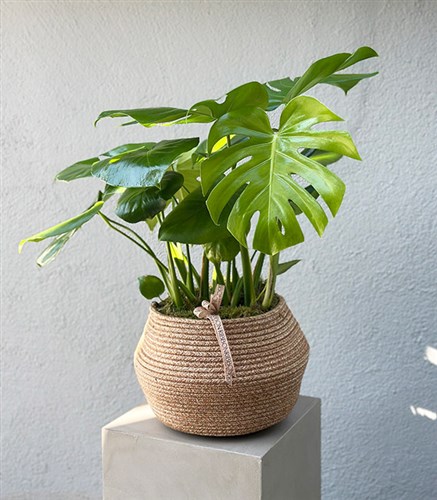 Monstera (Elephant's Foot) is a hardy houseplant with showy leaves.
-
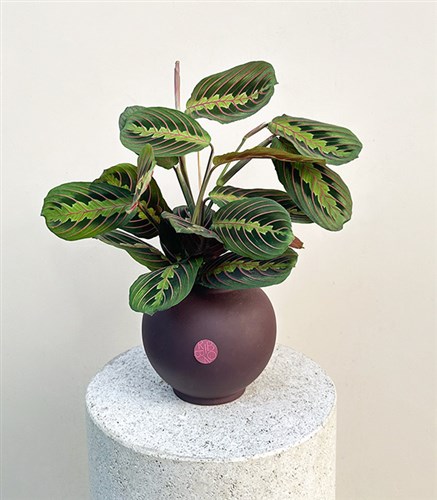 Prayer plant in a ceramic pot, closing its leaves in the evening.
-
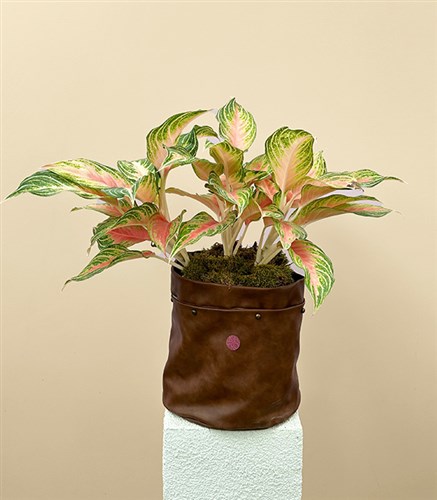 Aglaonema (Chinese evergreen) Low light tolerant, patterned leaves.
Easier-to-Care-For Houseplants
Carnivorous plants are fascinating, but they require specific water and light conditions. If you're looking for a less demanding option as a gift or your first plant, you might consider these:
- Succulents: Watering every two to three weeks is sufficient.
- Pothos (parlor ivy): It grows even in low light and forgives those who forget to water it.
- Camel's foot: With weekly watering, it can live for years.
- Mountain palm: Fits into dimly lit corners and is safe for pets.
For more information, you can check out our articles on the 10 easiest plants to care for and how to care for elephant's foot .
A living gift . Browse our potted plants for home and office. Send flowers to your loved ones; we offer same-day delivery within Istanbul.
Potted plantsThe last order time for same-day delivery within Istanbul is 2 PM; for Beşiktaş, Şişli, Sarıyer, Beyoğlu, and Kağıthane, it is 5 PM.
-
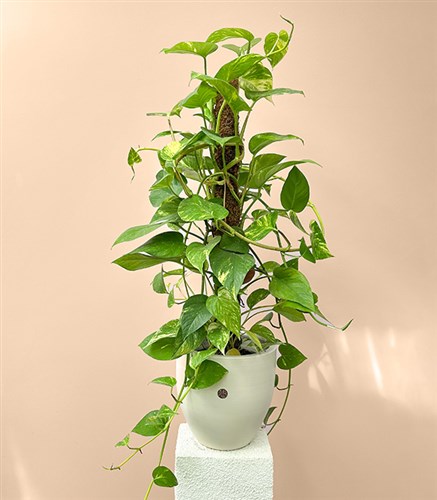 Golden Pothos ivy, with its trailing leaves, is perfect for shelves and consoles.
-
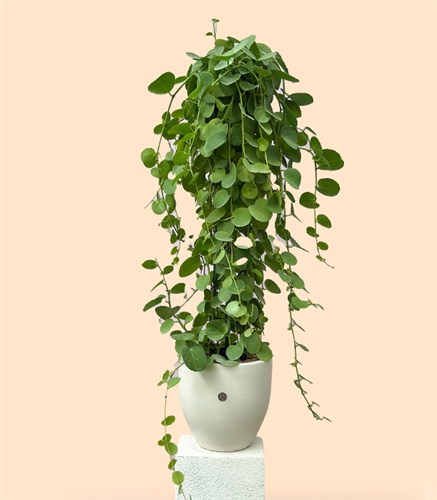 Cissus ivy is a climbing plant with round, fleshy leaves.
-
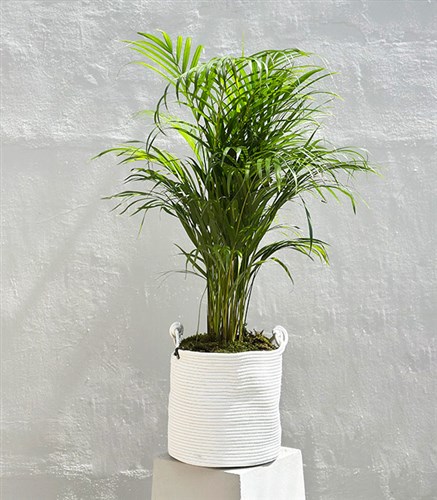 Mountain palm, 80 cm. An elegant palm tree for dimly lit corners.
Frequently Asked Questions About Carnivorous Plants
What are carnivorous plants?
The best-known carnivorous plants include the Venus flytrap (Dionaea muscipula), pitcher plant (Nepenthes), sundew (Drosera), trumpet plant (Sarracenia), oilwort (Pinguicula), and water helmet (Utricularia). More than 600 species of carnivorous plants have been identified worldwide.
What does carnivorous plant mean?
Carnivorous plants are those that obtain food by catching and digesting insects and similar small creatures. These plants also perform photosynthesis; they use their prey not for energy, but to obtain nitrogen and phosphorus, which they cannot find in the poor soils where they live.
Do carnivorous plants harm humans?
No. Carnivorous plants only trap insects and very small creatures. Even if you put your finger in the trap of a Venus flytrap, it won't hurt; however, closing the trap unnecessarily tires the plant.
What should carnivorous plants be watered with?
Carnivorous plants should not be watered with tap water; the minerals in the water will damage their roots. Rainwater, distilled water, or reverse osmosis water should be used. For most species, maintaining a constant 1-2 cm of water in the saucer under the pot is the easiest method.
Can Venus flytraps be fed meat?
No. You shouldn't feed a Venus flytrap minced meat, cheese, or human food; the trap will rot. A plant standing outdoors or on a windowsill will catch its own prey. Indoors, one or two live or dried insects a month are sufficient.
Can carnivorous plants be grown at home?
Yes, they grow well under the right conditions. Sundew and oilseed are the easiest types for windowsills. Venus flytrap and trumpet vine, on the other hand, thrive better on balconies or in gardens as they require plenty of sun and a cool resting period in winter.
Do carnivorous plants eliminate mosquitoes?
Carnivorous plants might catch a few flies or mosquitoes, but they aren't effective enough to solve an insect problem in a home. They should be considered more as an interesting collector's plant than a pest control solution.
Are plants whose flowers are edible carnivorous?
No, these are different concepts. A carnivorous plant is a plant that catches insects. Plants with edible flowers are those consumed by humans, such as squash blossoms, hibiscus, violets, and acacia.
Add greenery to your home. Long-lasting plants for living rooms and offices. Same-day delivery within Istanbul for flower orders .
HouseplantsSources
- Wikipedia – Carnivorous plant
- Wikipedia – Venus flytrap
Last updated: November 12, 2026. This guide was rewritten in November 2026; species were compared using a table, and a home care section was added.