
What is Passionflower (Passionflower) Plant? What are its Benefits?
Passionflower, also known as passionflower, is known for its calming effect and its ability to alleviate many ailments, especially sleep problems, and has been used in herbal medicine for many years.
This article addresses the questions: What are the benefits of passionflower and what are its uses?
Native to South America, the passiflora plant has been used to heal wounds since the 16th century.
Nowadays, it is mostly used for conditions such as stress, anxiety, and insomnia. Passiflora, one of the most widely used plants in alternative medicine, is more commonly known as passionflower among the public.
In the past, indigenous peoples of South America used the passionflower plant to treat open wounds, boils, earaches, and various internal ailments.
This miraculous plant is known for its sedative (calming and relaxing), hypnotic (sleep-inducing), anxiolytic (anxiety-relieving), analgesic (pain-relieving), and antispasmodic (spasm-relieving) effects.
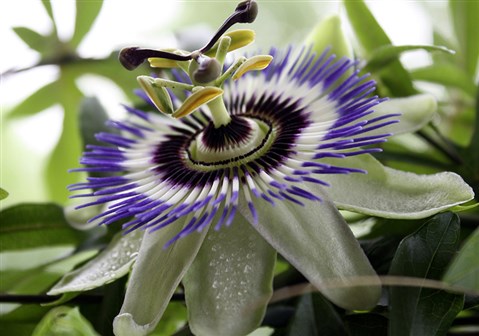
What are the benefits of passionflower?
- It helps regulate sleep patterns in people with insomnia.
- It helps with muscle contractions and cramps.
- It helps relieve anxiety, unease, and tension.
- It balances heart palpitations and irregular heartbeats.
- It regulates high blood pressure.
How should Passiflora be used?
In addition to passiflora tablets and capsules, which are readily available at pharmacies, you can also consume passiflora tea.
After steeping a pinch of passionflower in a cup of hot water for about 10 minutes, strain and consume up to three cups a day. Drinking a cup before bed, especially if you have sleep problems, can improve your sleep quality.
There are some important points to consider when using Passiflora. Passiflora should not be used with alcohol. Excessive use can lead to problems such as nausea, heart palpitations, and dizziness. It should not be taken with blood thinners or antidepressants, and it is also inadvisable for pregnant and breastfeeding women.
Share: