
NASA Recommends - Top 10 Plants to Purify the Air in Your Home
NASA Recommends – Top 10 Plants to Purify the Air in Your Home
We spend a large part of our day indoors. Our homes and workplaces are filled with environmental pollutants that release gases, dust, and vapors, such as furniture, air fresheners, scented candles, plastics, synthetic carpets and curtains, and cleaning supplies.
NASA's (National Aeronautics and Space Administration) 1989 "Clean Air Study," considered the most comprehensive and accurate study to date, proved that some plants are effective at cleaning airborne chemicals such as formaldehyde, benzene, trichloroethylene, and xylene.
NASA recommends having at least one potted plant in a 10-square-meter space. So, according to this research, which plants should we have? Let's take a look at these 10 most popular plants.
Purify the Air in Your Home with These Plants
- Sword of the Pasha (Sansevieria trifasciata)
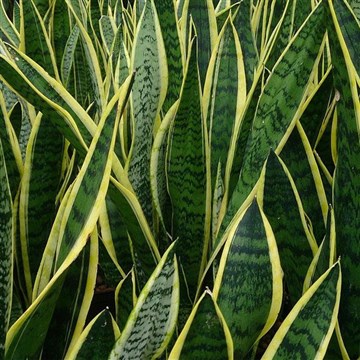
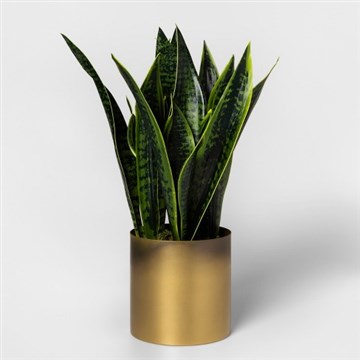
Snake plant (Sansevieria) is a succulent and one of the most durable indoor plants. It adapts to both shade and sun and is drought-tolerant. It should be kept in large numbers in homes and offices with poor ventilation.
- Red Lucky Bamboo (Dracaena Marginata)
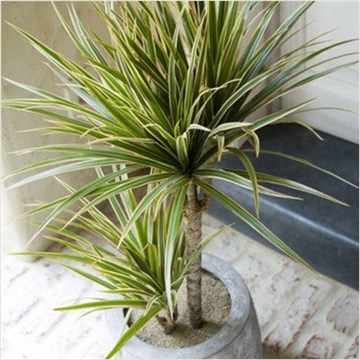
It is a hardy ornamental plant that is quite easy to care for and adapts even to insufficient sunlight and irregular watering. It cleans the air by absorbing toxic formaldehyde gas emitted from new furniture in indoor spaces.
- Bamboo Palm (Areca)
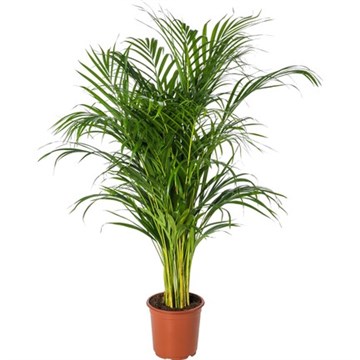
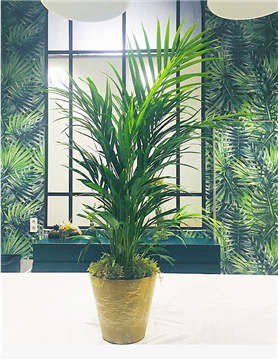
It is a decorative and elegant indoor plant that requires a spacious and airy area indoors. It cleans the air by absorbing xylene and toluene gases. The more leaves or seedlings it has, the more effective its air humidification properties become.
- Benjamin
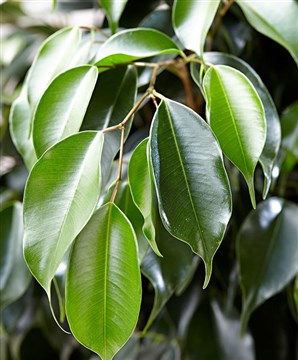
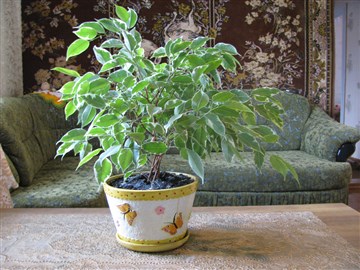
Although it is considered an indoor ornamental plant, it can also be grown as a garden plant in places where there are no prolonged frosts in winter. It thrives perfectly in locations with plenty of sunlight.
- Chrysanthemum
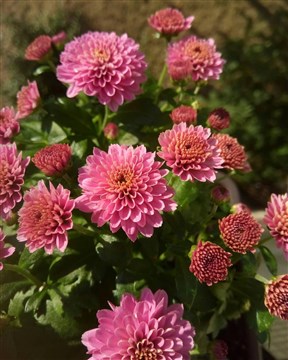
It is a small, shrub-like potted plant with fragrant leaves. It generally flowers in October and November. In indoor spaces with sufficient light and consistent air circulation, it has air-purifying properties, eliminating harmful substances in the air such as ammonia, benzene, formaldehyde, and xylene.
- Ladder of Love
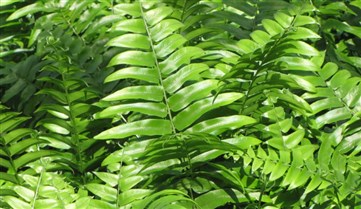
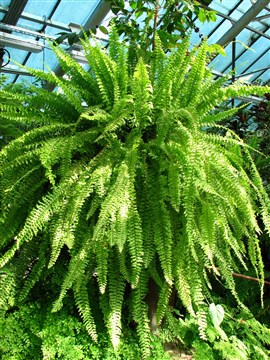
Ladder plant, which removes formaldehyde and xylene from the air, is a type of non-flowering plant. It grows very quickly in humid and warm places. It is adaptable to both sun and shade.
- Chinese Evergreen
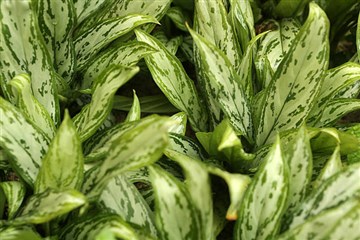
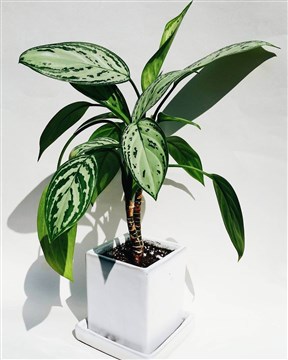
The Chinese evergreen, which requires high humidity, prefers shady and semi-shady locations. It cleans formaldehyde and benzene from the air.
- Parlor Ivy
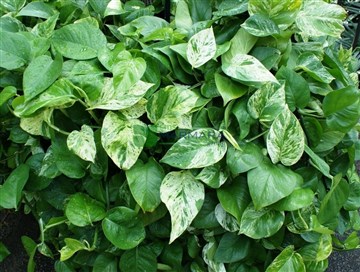
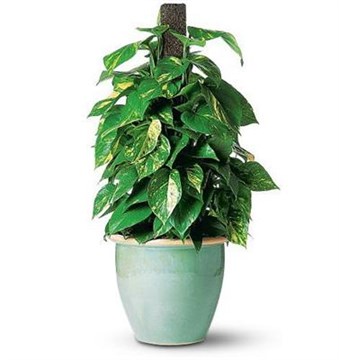
It is a long-lived plant with climbing and creeping characteristics. This plant, which is quite easy to care for, is effective against xylene, formaldehyde, and benzene.
- Ribbon Flower
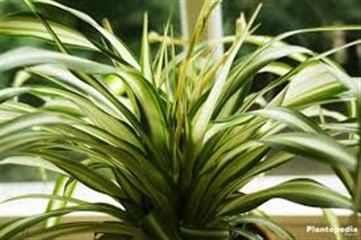
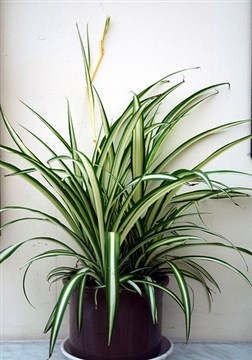
Highly hardy and suitable for cultivation in any environment, the ribbon plant cleans formaldehyde, xylene, and carbon monoxide from the air.
- Peace Lily
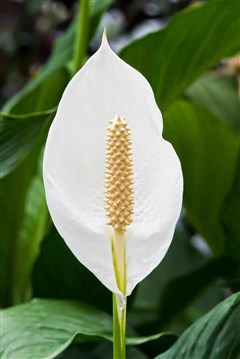
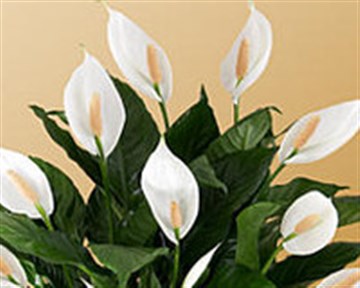
With its glossy leaves and elegant white flowers, it is frequently preferred as a decorative element in indoor spaces. It is also quite effective in cleaning benzene, formaldehyde, trichloroethylene, xylene, and ammonia from the air.
Share:
Houseplants · Air-Purifying Plants
Quick answer
According to NASA's Clean Air Study, plants like snake plant, peace lily, areca palm, and pothos absorb volatile compounds such as formaldehyde, benzene, and trichloroethylene from indoor air through their leaves. This list came out of experiments conducted in 1989 through a partnership between NASA and ALCA (Associated Landscape Contractors of America), measured in sealed, low-ventilation test chambers.
A single plant isn't enough to notice the effect in a home or office; experts recommend one medium-sized pot per 10 square meters. Below, we've compared these plants by light needs, care difficulty, and pet safety.
1989Year the NASA Clean Air Study was published
10 m²Recommended coverage per medium-sized pot
3 pollutantsFormaldehyde, benzene, trichloroethylene are the main targets
Indoor air isn't always as clean as we assume; furniture, paint, and cleaning products release volatile organic compounds (VOCs). NASA's study was designed to identify plants that reduce these compounds, and it's still used as a reference for houseplant selection today. In this article, we cover the plants on the list, how demanding they are to care for, and which ones are most practical for an apartment or office in Istanbul.
What is the NASA list, and why is it reliable?
In 1989, NASA launched a study to improve indoor air quality on space stations. Plants were placed in sealed, glass-enclosed test chambers, then exposed to formaldehyde, benzene, and trichloroethylene gases. Air samples were measured after 24 hours. The results showed that certain plants absorbed a significant portion of these gases through their leaves and soil microorganisms.
It's worth clarifying one thing: in a real home with open doors and natural air circulation, the effect can't be measured as distinctly as under lab conditions. Still, plants are known to improve humidity balance and provide psychological comfort, which makes them worth keeping at home regardless.
The top 10 air-purifying plants
We picked 10 species from the NASA list that grow easiest in Istanbul apartments and offices, ordered from lowest to highest light requirement:
Low-light plants
- Snake plant (Sansevieria): produces oxygen even at night, only needs watering once a week.
- Peace lily (Spathiphyllum): shade-tolerant, its leaves droop to signal when it's thirsty.
- Pothos (devil's ivy): one of the hardiest climbing plants, tolerates forgotten waterings.
Medium-light plants
- Areca palm: balances humidity with its broad leaf surface, great for living room corners.
- Chinese evergreen (Aglaonema): decorative with patterned leaves, sensitive to heat.
- Dieffenbachia: grows fast, should be placed carefully in homes with pets.
Bright-light plants
- Gerbera: adds visual appeal with its flowers, needs a sunny window.
- Chrysanthemum: short-lived but one of the top performers on the list for air purification.
- English ivy (Hedera helix): prefers cool, bright spots, looks great in hanging pots.
- Bamboo palm: harmless to pets, thrives in medium-to-high light.
Gift a plant to someone you love Choose one of our air-purifying plants and have it delivered anywhere in Istanbul the same day.
Browse living room plantsPlant comparison table
Comparing light, watering, and pet safety
| Plant | Light | Watering frequency | Pet safety |
|---|---|---|---|
| Snake plant | Low light | Every 10-14 days | Mildly toxic |
| Peace lily | Low-medium light | Once a week | Toxic |
| Pothos | Low-medium light | Once a week | Toxic |
| Areca palm | Medium light | Twice a week | Safe |
| Bamboo palm | Medium-bright light | Twice a week | Safe |
| Dieffenbachia | Medium light | Once a week | Toxic |
Which plant is right for you?
If you live in a low-light apartment, snake plant or peace lily are the most practical choices; both need minimal care and tolerate forgetfulness. If you want oxygen production and soothing greenery on your office desk, we recommend pothos or areca palm; both are among the most popular office plants.
If you have a cat or dog at home, consider safe options like bamboo palm or areca palm instead of toxic species such as dieffenbachia, peace lily, and pothos. If in doubt, be sure to read the care note when you receive the plant.
Common care mistakes
The most common mistake is overwatering; root rot causes plant loss much faster than drought does. Watering once the top 2-3 cm of soil dries out is enough for most species. The second mistake is exposing plants to direct sunlight; most air-purifying plants are understory species and can suffer leaf burn.
Tip Empty the water that collects in the saucer regularly; this is the most common cause of root rot, especially in heated indoor environments during winter.
- Don't place the plant under a radiator or air conditioning vent.
- Don't leave it in the same pot for years without repotting; nutrients run out.
- Don't let dust settle on the leaves; wiping them with a damp cloth makes photosynthesis easier.
Gift and office recommendations
Air-purifying plants also make great gifts for a new job, a move, or an office opening; they're both attractive and functional. When looking for a promotion or new job gift, a living plant is a longer-lasting gesture than cut flowers.
- Living room plants · for large spacesAreca palm and similar broad-leaved species.
- Office plants · for desks and cornersLow-maintenance, compact-sized options.
- Succulents and cacti · minimal careOptions that don't need frequent watering, great for the forgetful.
Send flowers with same-day delivery Orders placed by 2:00 PM are delivered anywhere in Istanbul the same day.
Send flowersFrequently Asked Questions About Air-Purifying Plants
What are the best air-purifying plants recommended by NASA?
Snake plant, peace lily, pothos, areca palm, bamboo palm, dieffenbachia, Chinese evergreen, gerbera, chrysanthemum, and English ivy top the list.
How many plants should you keep in a room?
The general recommendation is one medium-sized pot per 10 square meters; very small pots won't have a noticeable effect.
Which plants are safe for pets?
Bamboo palm and areca palm are generally considered safe for pets; peace lily, pothos, and dieffenbachia are toxic.
Which plants thrive in a low-light apartment?
Snake plant and peace lily grow well even in low light, and only need watering once a week.
Are air-purifying plants really effective?
The effect measured under lab conditions doesn't occur at the same rate in real homes with open doors; still, the benefits for humidity balance and psychological wellbeing are undeniable.
Which plant is recommended for the office?
Pothos and areca palm are the most practical choices for office desks thanks to their low maintenance needs and resilience.
Sources
Last updated: 2024-06-10.